Biomass drying plant design scenarios
Application scenarios, engineered in full.
Detailed example configurations for the West-African mango belt — cooperative, commercial and circular-economy models, all built around cashew-shell heat. Each is a real, fully-scoped system design we’re ready to build. We’re a young company and open about it: these are the plants we engineer and cost, not projects we claim to have completed.
 Illustrative
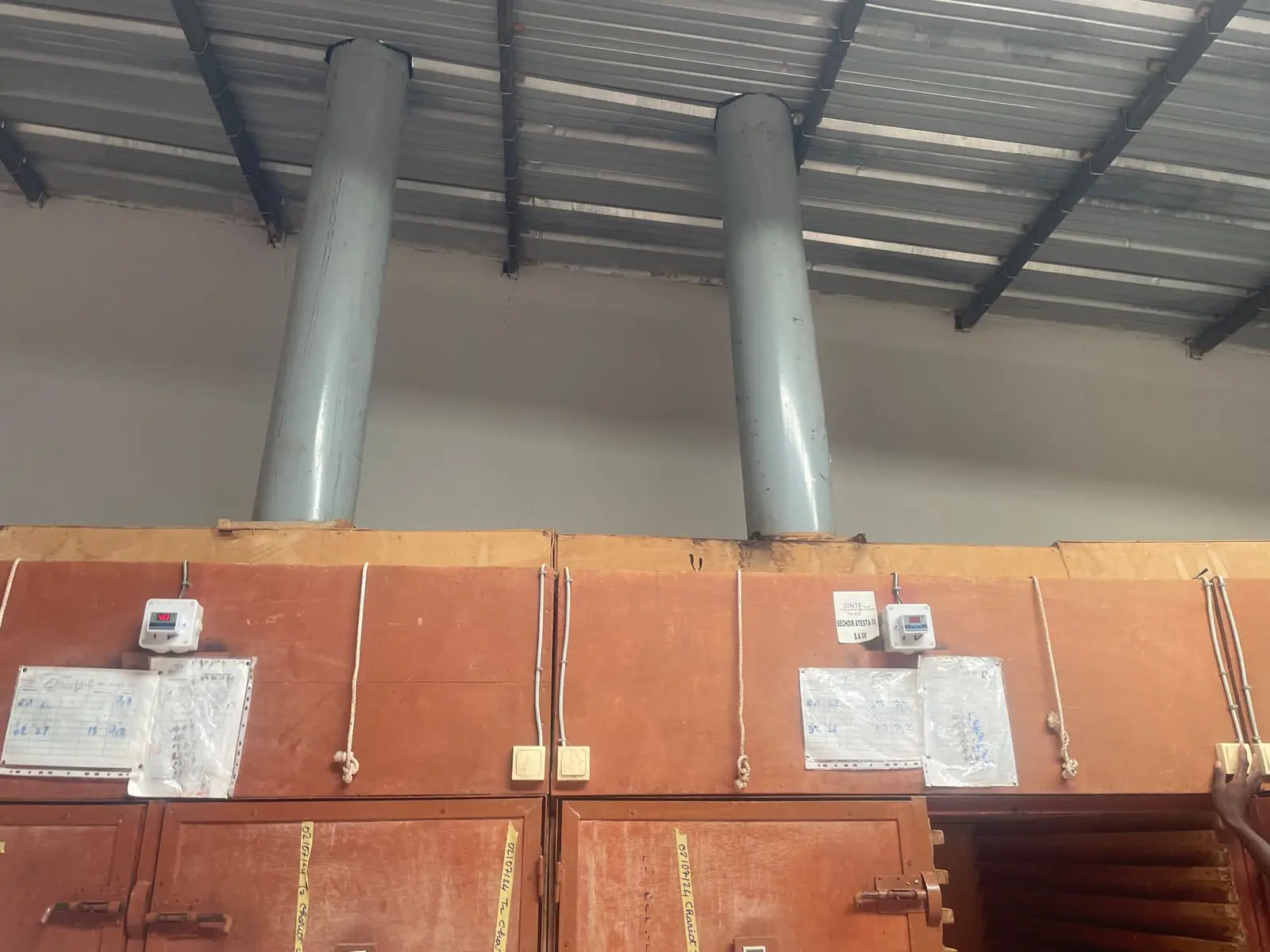
Six panel-room mango line + waste-to-feed
A biomass heat plant designed to serve six Rockwool drying rooms (4,968 kg fresh/batch) plus a mango-waste-to-livestock-feed unit.
See the configuration →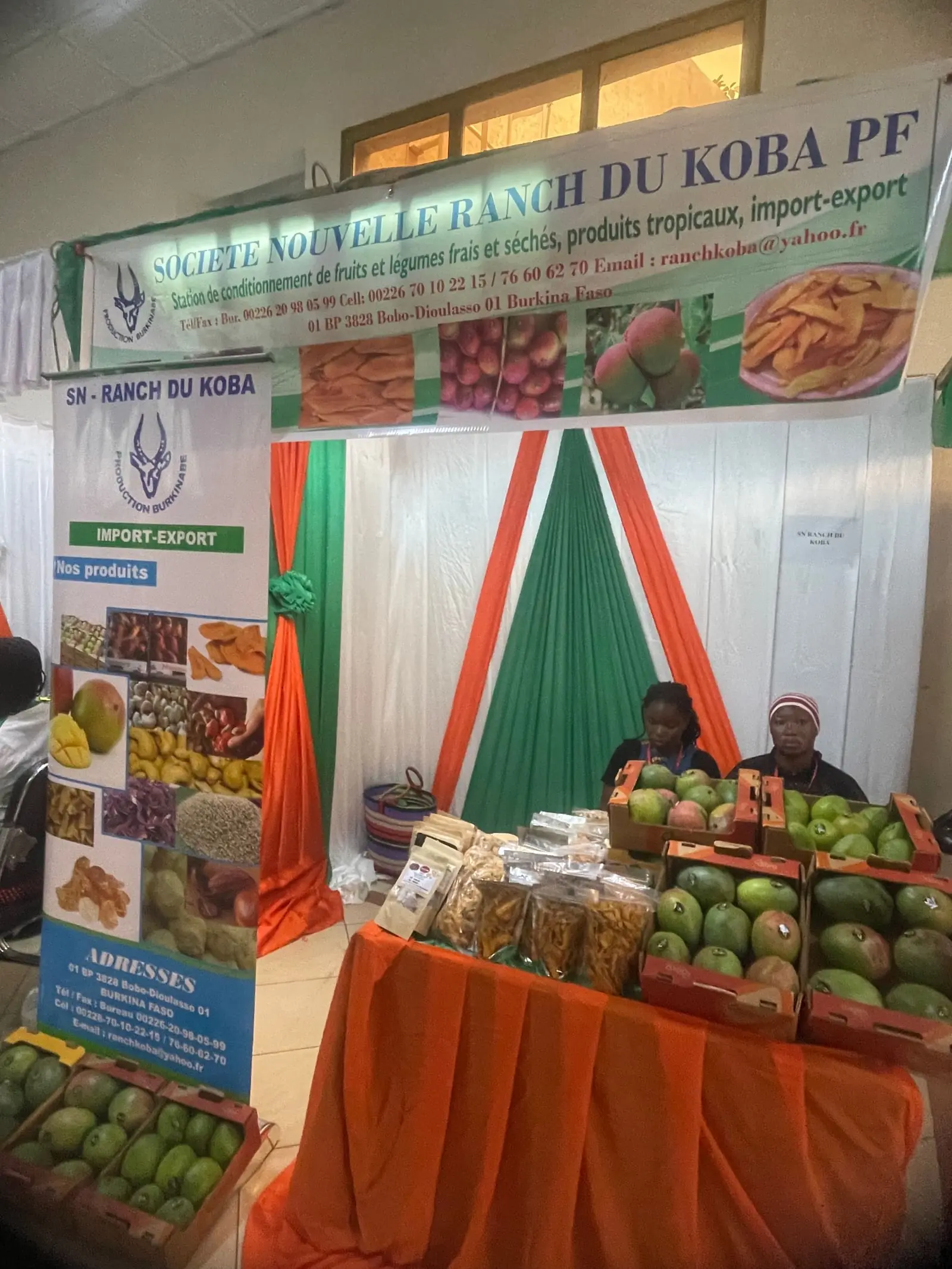 Illustrative
Six-chamber cooperative mango line
A 600,000 kcal/h cashew-shell burner configured to feed six container-conversion chambers for a cooperative processing operation.
See the configuration →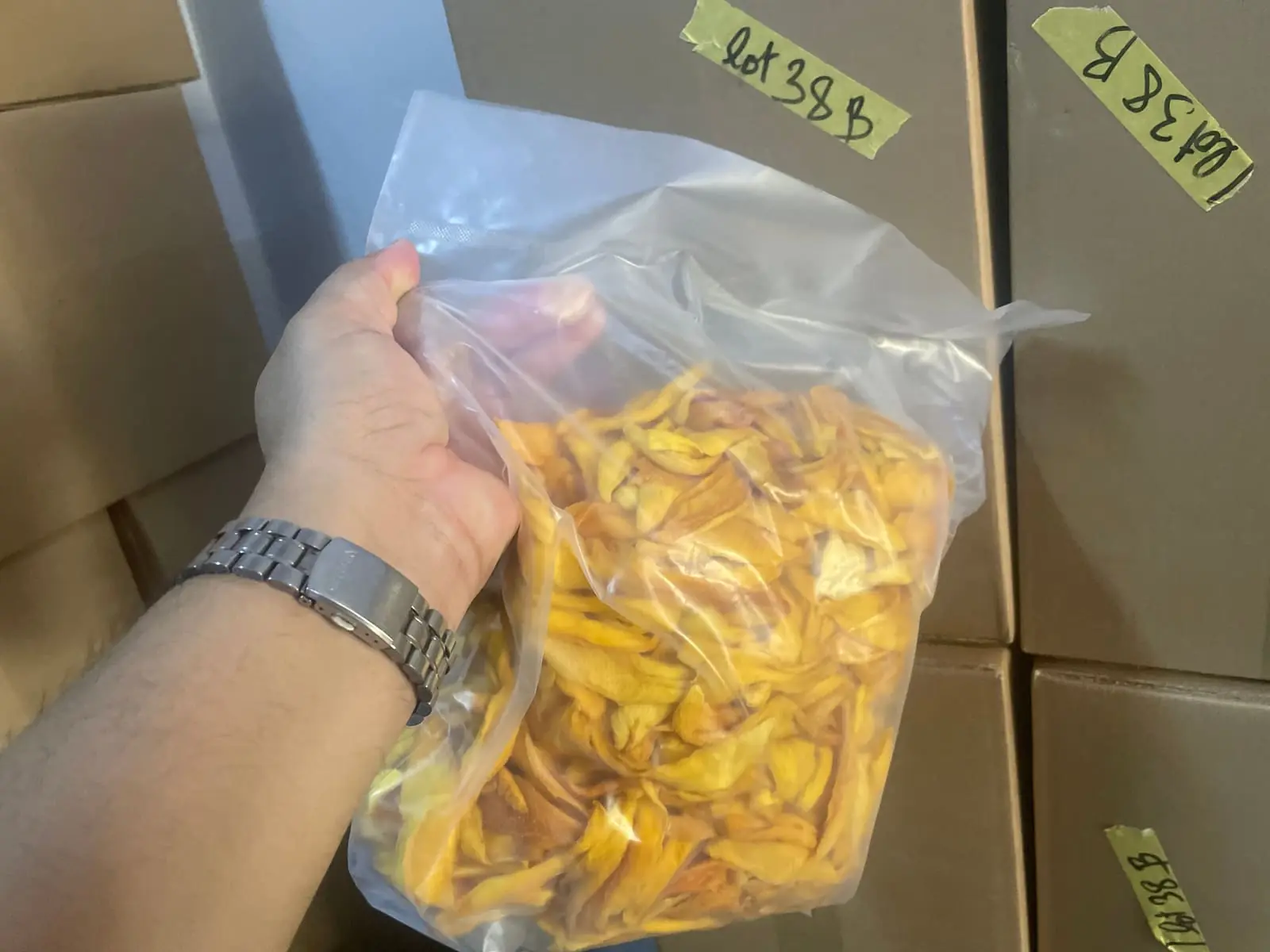 Illustrative
Commercial export processing line
A high-capacity burner and multi-tunnel plant engineered to export-buyer specification from the outset.
See the configuration →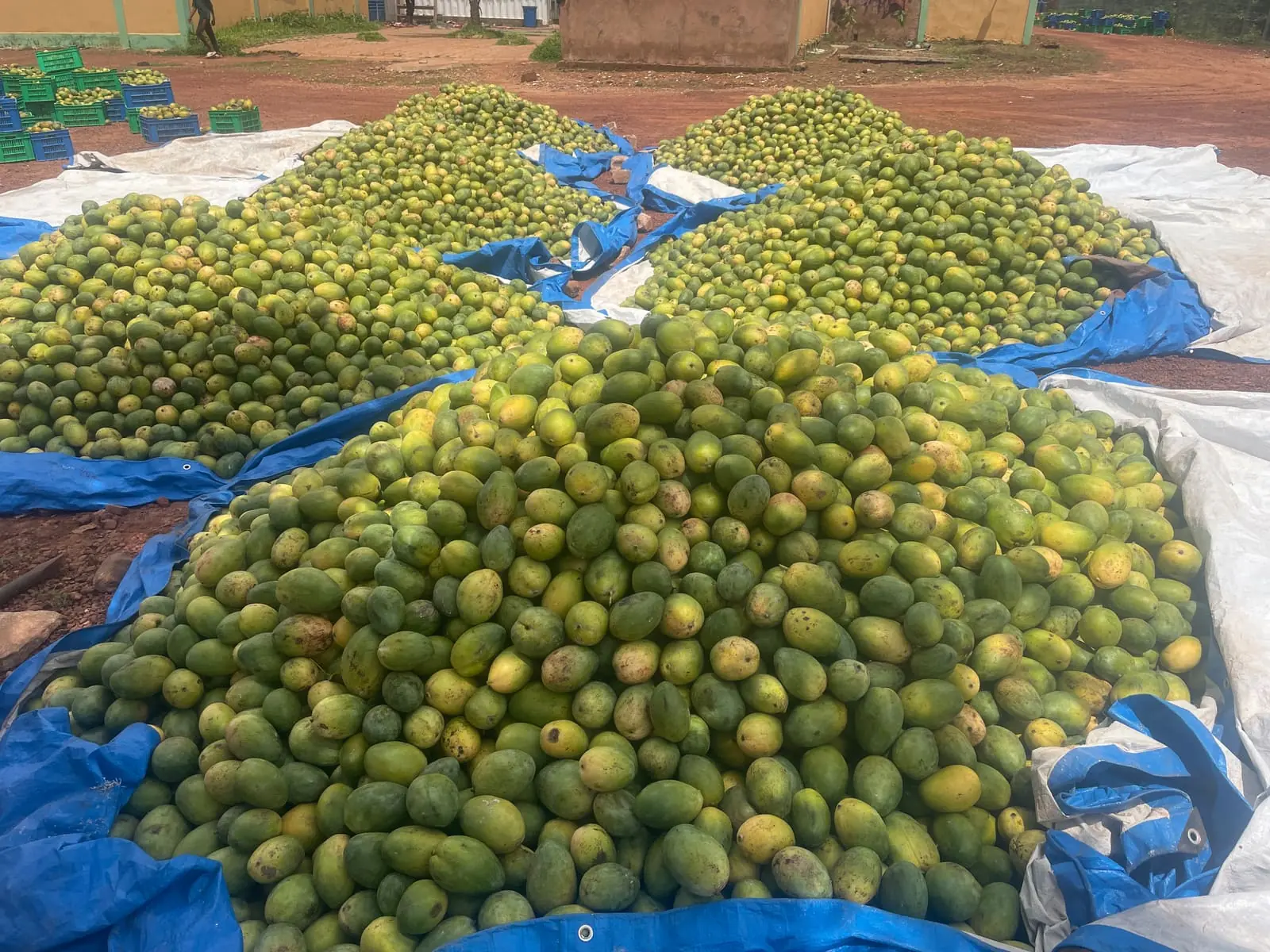 Illustrative
Women’s cooperative processing
A mid-range burner with a simplified control interface, sized honestly to member production and phased as the market grows.
See the configuration → Illustrative
Distributed rural processing network
A hub-and-spoke network of small 200,000 kcal/h drying centres with standardised protocols and centralised marketing.
See the configuration →Where we are as a company
We have one commissioned installation: a 900,000 kcal/h cashew shell burner firing the steam boiler at Premium Cashew Commodities Limited in The Gambia. It runs on empty cashew shell, the residue the factory already produces.
We have not yet built a drying line. The drying figures on this site are fully engineered design targets rather than measured results, and a mango demonstration unit is planned in Burkina Faso. Our specifications, fuel ranges and stated limitations are real — we would rather you knew exactly which parts are proven at the enquiry stage than after commissioning.
Could your operation be next?
Tell us your harvest volume, fuel and target markets and we’ll scope a system to match — engineered and costed, the same way as every scenario here.
Start a conversation